If you are looking for a lighthearted, modern take on the classic fake-dating trope, this Better Than the Movies review will help you decide if it belongs on your watchlist. The story excels at capturing the whirlwind of high school romance while leaning into the nostalgic charm of older romantic comedies. If you enjoy films that embrace their genre instead of trying to be something else, this is a winning choice, though it does follow a very predictable path.
Better Than the Movies: quick details
| Detail | Information |
|---|---|
| Genre | Young Adult Romance / Comedy |
| Tone | Playful, Nostalgic, Character-driven |
| Target Audience | Fans of YA adaptations and rom-coms |
| Key Themes | Grief, High School Social Dynamics, Romance Tropes |
What Better Than the Movies is about
At its core, the story follows Liz Buxbaum, a high schooler obsessed with her late mother’s love for romantic comedies. She navigates her teenage years through the lens of cinematic perfection, constantly hoping for her own “meet-cute.” When the boy she has liked for years returns to school, she realizes she needs help getting his attention.
She forms an unlikely alliance with Wes, her neighbor who she has spent years bickering with. Wes agrees to help her land the boy of her dreams, but only if she stops her current antics. The central drama revolves around this arrangement, which forces Liz to look past her movie-perfect expectations to see the person right in front of her.
The tone balances humor with emotional weight. While it stays within the lines of a standard teen comedy, it acknowledges the difficult reality of losing a parent. The story uses romantic tropes as a frame rather than a crutch, grounding the character growth in Liz’s need to process her past before she can step into her future.
The review: a critical look
For fans of the genre, this adaptation lands squarely in the “comfort watch” category. The chemistry between the leads is the primary engine of the film, and the casting choices do a lot of the heavy lifting. Performance-wise, the actors successfully sell the transition from school-year rivalry to genuine connection.
The dialogue feels authentic to the teenage experience, steering clear of the overly polished or stiff delivery found in lower-budget young adult projects.
Visuals are bright and clean, mimicking the aesthetic of a classic 90s or early 2000s rom-com. The direction keeps the pace brisk, which works in the film’s favor given the relatively formulaic progression. There are no jarring shifts in tone; it remains consistent from the first scenes to the final act.
However, the film faces a real limitation in its predictability. If you have seen more than two or three romantic comedies before, the ending arrival is clear from nearly the start. The narrative doesn’t attempt to subvert audience expectations.
While this isn’t necessarily a flaw for the target demographic, those hoping for a curveball or a unique structural twist might feel the experience lacks surprise.
Some scenes involving school events feel like filler designed to bridge the gap between the major emotional beats. These moments are perfectly pleasant, but they do stall the momentum during the second act. You’ll find yourself waiting for the leads to stop dancing around their real feelings so the story can resolve its central conflict.
Content warnings and who this fits
If you are evaluating this for a family movie night, there is very little to worry about. The language is clean, and there is no explicit content to navigate. The primary topics are romance, high school social hierarchies, and grief.
The way the story handles the mother’s passing is handled with care, but it is a recurring emotional theme that carries some weight.
This film is ideal for anyone who needs a low-stakes weekend movie. It is best suited for viewers who already have an appreciation for the “enemies-to-lovers” dynamic. If you want something dark, gritty, or technically experimental, look elsewhere.
This is exactly what it advertises: a sincere, straightforward dive into the feelings of growing up. For anyone wanting to brush up on the terms of use for similar platforms, checking those policies before signing up for a new stream is always a good practice.
How it compares to the book
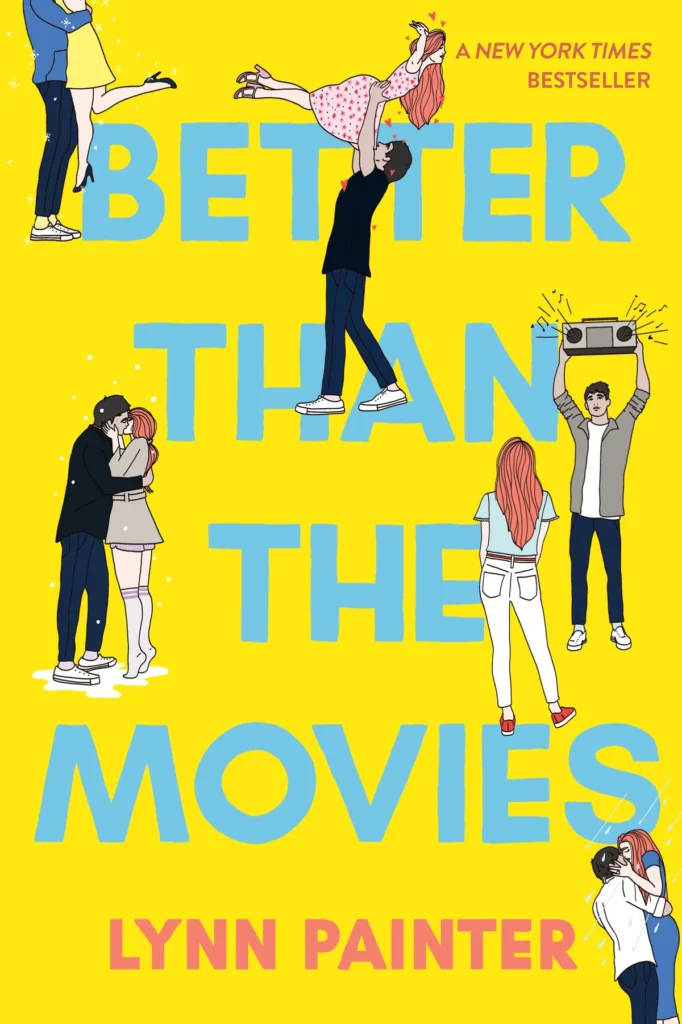
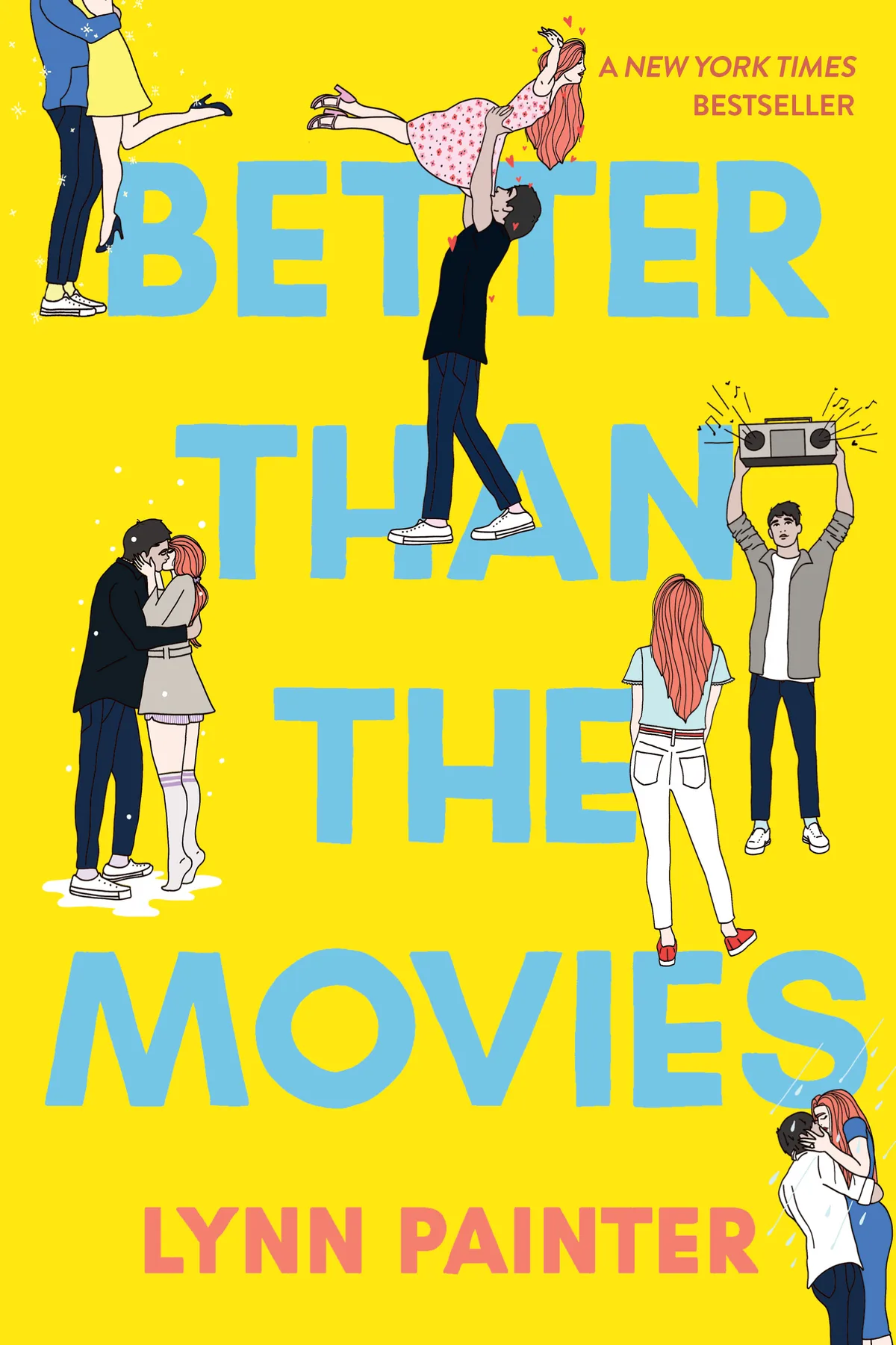
Translating a popular novel to the screen usually requires cutting side characters or streamlining subplots. A Better Than the Movies review needs to address that the adaptation makes these necessary sacrifices. Fans of the source material will notice that certain comedic beats from the book get condensed to keep the runtime manageable.
The internal monologue of the book, which is a huge part of why readers love it, is obviously missing. The film replaces those written thoughts with visual cues, which generally works well, though some of the nuance of Liz’s personality suffers in the translation. The key difference is the speed; the book allows for more lingering on the emotional baggage, while the film keeps its focus on the relationship arc.
Key Themes and Tropes
At the heart of the story are several well-worn tropes that get a second life. The “fake dating” pact is the most significant, providing both the humor and the friction needed to drive the plot forward. It manages to avoid the most eye-rolling clichés by keeping the characters grounded in high school stakes, prom dates, social standing, and neighborhood history.
The theme of cinematic expectations versus reality hits home for anyone who has ever tried to live their life based on how they think it should go. Liz learns that life is rarely like a script, and her growth requires her to stop waiting for cues and start making choices. It is a simple message, but it is delivered with enough charm to feel earned.
If you want to keep your own collection of media organized, managing your household tech helps ensure you have a clean setup for viewing.
Frequently asked questions
Is the story based on a real-life couple?
No, the story is a fictional narrative. While many young adult romances draw inspiration from the general experiences of high schoolers, the events here are scripted and part of a specific creative work.
Is the film appropriate for a younger audience?
It is generally safe for teens and older children. There is no coarse language or explicit sexual content. The discussion of a parent’s death is the most mature element of the movie, but it is handled with sensitivity.
Where can I watch this movie?
It is available on major streaming platforms. Before you commit to a subscription, sometimes obtaining support from your chosen provider helps clarify where to find specific titles if they are currently rotating off of certain services.
How does the length compare to other teen romances?
Its runtime lands in the average range for the genre, coming in at just under two hours. This length allows the story to cover the necessary bases without feeling like it is dragging on too long. To ensure your viewing habits remain secure, reviewing online safety guidelines is always smart when surfing various sites.
Is it worth watching?
This film is a solid recommendation for anyone looking for a well-made, predictable, and heartwarming story. If you enjoy the specific comfort that comes from a high-school rom-com with decent chemistry, you will likely find this quite satisfying.
The main limitation is that it respects the boundaries of its genre a bit too closely. It isn’t going to redefine the landscape of romantic cinema, nor does it try to. It has a single goal, to tell a cute, emotional story about two neighbors realizing they belong together, and it hits that mark.
If you appreciate the source material or just need a light evening watch, it is definitely worth the time.